Ethereum

Ethereum, or "Altcoin No. 1," is the second-largest cryptocurrency by market capitalization. The blockchain on which it operates serves as a platform for many other cryptocurrencies and for executing smart contracts. A decentralized lending application developed on the Ethereum network allows individuals to lend to one another without the involvement of a third party (such as a bank).
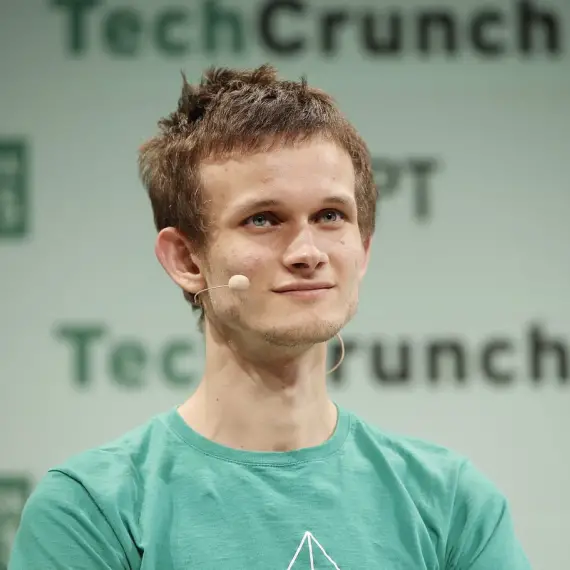
Ether is the cryptocurrency generated by the Ethereum platform as a reward for nodes for the computations they perform, and is currently the only currency accepted for paying transaction fees. Ethereum was proposed in late 2013 by Vitalik Buterin, a cryptocurrency researcher and programmer.
Development was funded through online crowdfunding, or so-called “group financing.” Buterin argued that Bitcoin needed a scripting language for application development. After failing to reach an agreement with the other participants in the Bitcoin blockchain, he proposed the development of a new platform with a more general scripting language.
Ethereum was announced at the North American Bitcoin Conference in Miami in January 2014. As with other cryptocurrencies, the validity of each Ether is ensured by a blockchain, which is a continuously growing list of records called blocks that are linked and secured using cryptography. By its very nature, the blockchain is protected against data tampering. It is an open, distributed database that records transactions between two parties in an efficient, verifiable, and immutable manner.
Ethereum allows every user to have two types of accounts. One type is an account for storing cryptocurrency. The other type is a “smart contract” account, which stores cryptocurrency along with various information and logic obtained from the network, programmed there by other users of the system. Ethereum’s smart contracts are based on various programming languages that developers use to program their own functionalities.
Smart contracts built on Ethereum use a decentralized virtual machine that is consistent with the so-called “Turing machine” . It is called the “Ethereum Virtual Machine.” This is the part of the protocol that actually executes smart contracts or scripts.


Log in Register Quick ask?