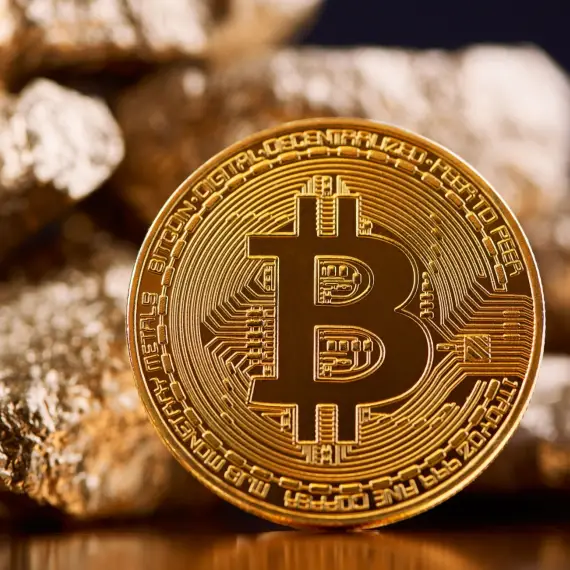
Bitcoin

Bitcoin is the first cryptocurrency and ranks first in terms of market capitalization. The currency uses cryptography to secure transactions within its infrastructure, which consists of an online database known as blockchain technology. This is a decentralized public ledger of all transactions ever made.
Bitcoin’s financial history began in 2010, although it was created in 2009. Its creator is believed to be a person (or group of people) using the pseudonym Satoshi Nakamoto. He introduced Bitcoin as early as 2008 in a paper titled “Bitcoin: A Peer-to-Peer Electronic Cash System.” Bitcoin is known as digital gold, as it possesses all the characteristics of a store of value. According to Nakamoto, Bitcoin was created to allow online payments to be sent directly from one user to another without going through a financial institution.
Some concepts for this type of decentralized digital currency predate Bitcoin, but it is the first cryptocurrency of its kind to enter actual use. Bitcoin is deflationary by nature because there can never be more than 21 million coins in circulation, unlike fiat money, which central banks can print in unlimited quantities. Another key feature is that cryptocurrency and blockchain technology are not owned by any organization, bank, government, or individual. This type of alternative payment method is direct peer-to-peer, without the involvement of a bank or other centralized system, offering lower fees and commissions, greater speed, and a high level of security.
Blockchain is supported by the collective power of millions of computers worldwide, which verify transactions and add them to the blocks in the chain. All transactions are public and recorded. This means that any member of the network can view the balance and transactions made from a given Bitcoin address. However, privacy is ensured through the anonymity of the keys used to sign each transaction.
Cryptographic methods are used to ensure the functioning and security of the payment system, and the authenticity of all transactions is protected by digital signatures. Collectively verified transactions cannot be altered or deleted, so payments are final and indisputable.


Log in Register Quick ask?